PSSR 2000 and its interaction with training deliveries
The Workplace (Health, Safety and Welfare) Regulations 1992 define a workplace as any place made available to employees or others in the course of work. Training centres and training environments are workplaces within the meaning of the Regulations, and training equipment is subject to the same maintenance standards as equipment used for operational work. There is no distinction in the Regulations between equipment used for live operations and that used for training.
UK health and safety law does not treat training as separate from work. Instead, training is explicitly embedded in the legal framework governing work activities and risk control. The Health and Safety at Work etc. The Act of 1974 establishes this foundation. Section 2(1) places a duty on employers to ensure, so far as is reasonably practicable, the health, safety and welfare of employees while they are at work, and section 2(2)(c) makes clear that this duty is discharged in part through the provision of information, instruction, training and supervision.
Training is therefore not an optional or peripheral activity; it is a statutory requirement for ensuring workplace safety. Section 3(1) extends this duty to persons not in the employer's employment who may be affected by the undertaking, which includes trainees, learners, and candidates attending training delivered by a provider as part of its business.
This position is reinforced by the Management of Health and Safety at Work Regulations 1999. Regulation 3 requires employers to assess risks arising from work activities, and Regulation 13 requires employers to ensure that employees receive adequate health and safety training when they start work, when their work changes, or when new risks are introduced.
These duties also apply to training, as it is recognised as a work activity that can introduce or expose people to risk if not adequately controlled. HSE guidance supporting these Regulations confirms that mandatory training forms part of an employer's undertaking and is treated as working time. This position is also reflected in the Working Time Regulations 1998.
When a breathing apparatus is used during training, it is classified as work equipment and, in many cases, as personal protective equipment. Under the Provision and Use of Work Equipment Regulations 1998, Regulation 2 (4)(b) defines work equipment as any machinery, appliance, apparatus or installation for use at work, and explicitly defines “use” as including activities such as setting, testing, training, servicing and cleaning.
This means that the breathing apparatus used for instruction, drills or practice is unequivocally work equipment in use at work. Regulation 4 requires that work equipment be suitable for the purpose for which it is used; Regulation 5 requires that it be maintained in an efficient state, in efficient working order, and in good repair; and Regulation 6 requires inspection where safety depends on installation conditions or where deterioration could result in danger.
Furthermore, Regulation 9(1) requires all persons to receive training to understand the adopted methods for using work equipment and to identify any risks and the precautions needed. Regulation 9(2) (2) states that every employer shall ensure that any of his employees who supervise or manage the use of work equipment has received adequate training for purposes of health and safety, including training in the methods which may be adopted when using the work equipment, any risks which such use may entail, and precautions to be taken.
The supporting ACOP L22 makes clear that suitability and maintenance duties apply whenever equipment is used at work, and it does not distinguish between operational and training use (L22, supporting PUWER Regulations 4–6).
Breathing apparatus is also personal protective equipment within the meaning of the Personal Protective Equipment at Work Regulations 1992 (as amended). Regulation 4 requires PPE to be suitable, and Regulation 7 requires it to be adequately maintained and replaced where necessary.
L25 ACOP paragraph 60 also refers to examination, testing to ensure equipment is operating as intended and repair.
The ACOP L25 states that PPE must be maintained in accordance with the manufacturer's instructions and must not be used if it cannot provide the intended level of protection. L25 does not provide any exemption for training use, and the duty applies wherever PPE is provided for use at work.
Where breathing apparatus includes compressed air cylinders, the Pressure Systems Safety Regulations 2000 apply. Regulation 3(2) applies the Regulations to pressure systems used or intended for use at work. Training activities fall within this scope because instructors are at work, training providers are conducting an undertaking, and trainees are under organisational control.
SCBA and escape cylinders are mobile pressure systems that operate at pressures well above atmospheric. Regulation 8 requires a written scheme of examination for such systems. Specifically, L122 ACOP, paragraph 113(h), explicitly refers to SCBA.
Regulation 9 requires examination in accordance with that scheme, and Regulation 9(6) states that the system must not be operated after the date specified in the examination report unless a further examination has been carried out. This prohibition is absolute and contains no allowance for training use.
Regulation 11 requires systems to be operated in accordance with the instructions for safe use, which directly links to manufacturer instructions prohibiting the use of cylinders beyond their hydrostatic test dates and regulators beyond their prescribed service intervals.
Manufacturer instructions from SCOTT, Dräger, and MSA require that compressed air cylinders remain within their prescribed hydrostatic test intervals to be considered serviceable.
Cylinders that have exceeded these intervals are identified by manufacturers as unserviceable and must be removed from service. Under PUWER Regulation 4 and PSSR Regulation 11, equipment must be used in accordance with these instructions, and under PSSR Regulation 9(6), pressure systems must not be operated beyond the examination date specified in the written scheme of examination.
Regulation 12 requires systems to be appropriately maintained to prevent hazards, and Regulation 14 requires the keeping of examination records. Schedule 1 sets out limited exemptions, but training is not included.
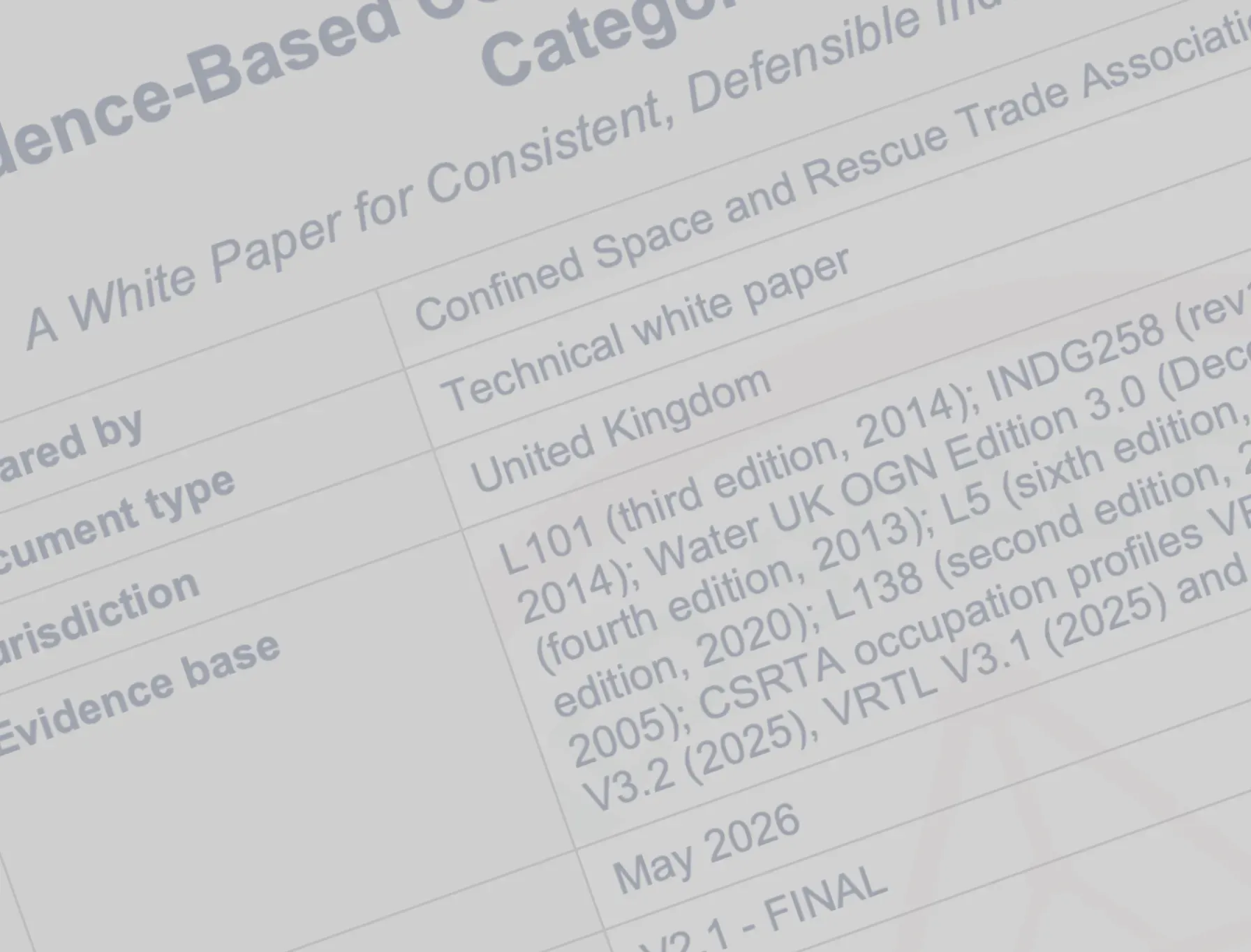
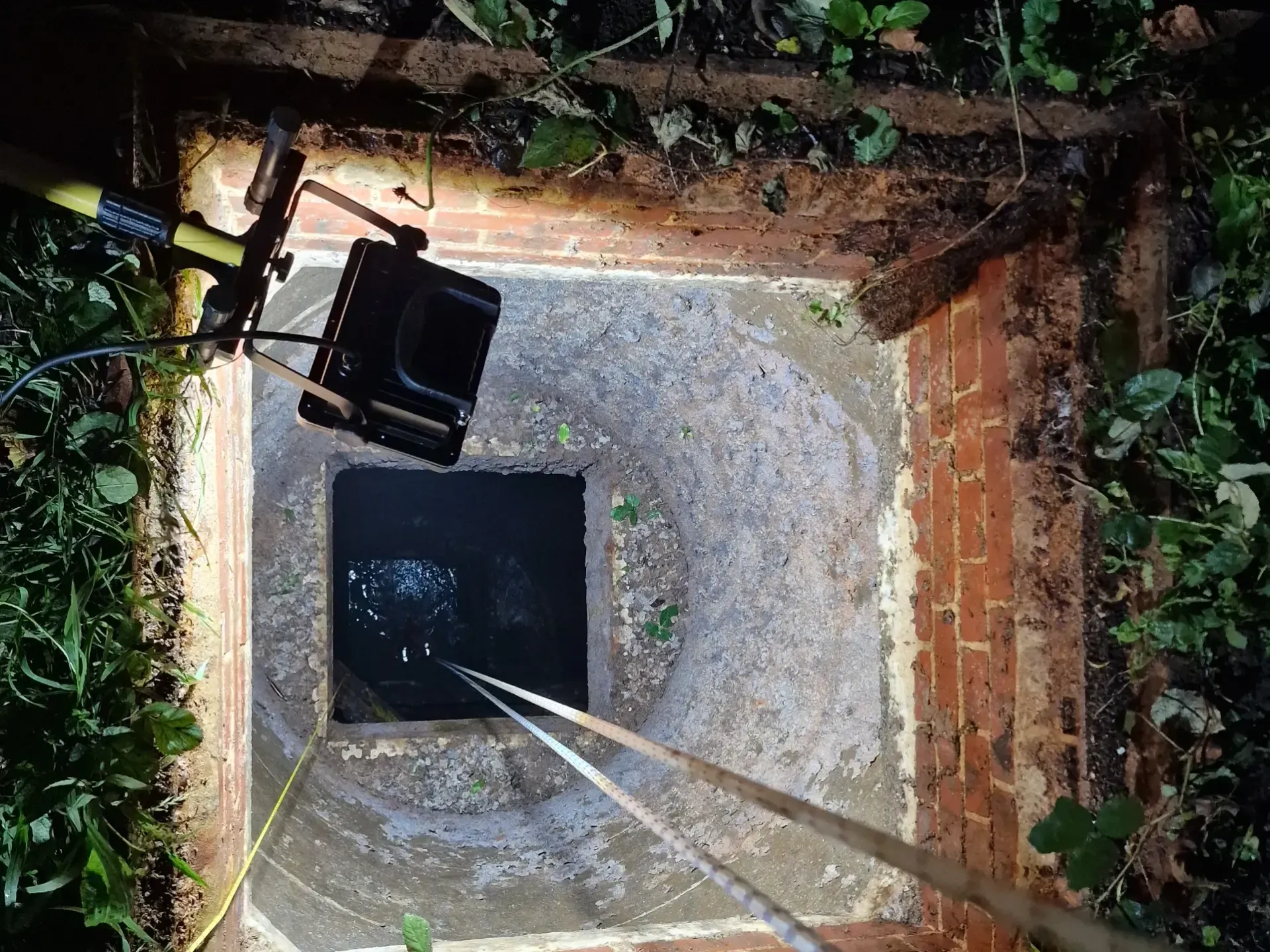
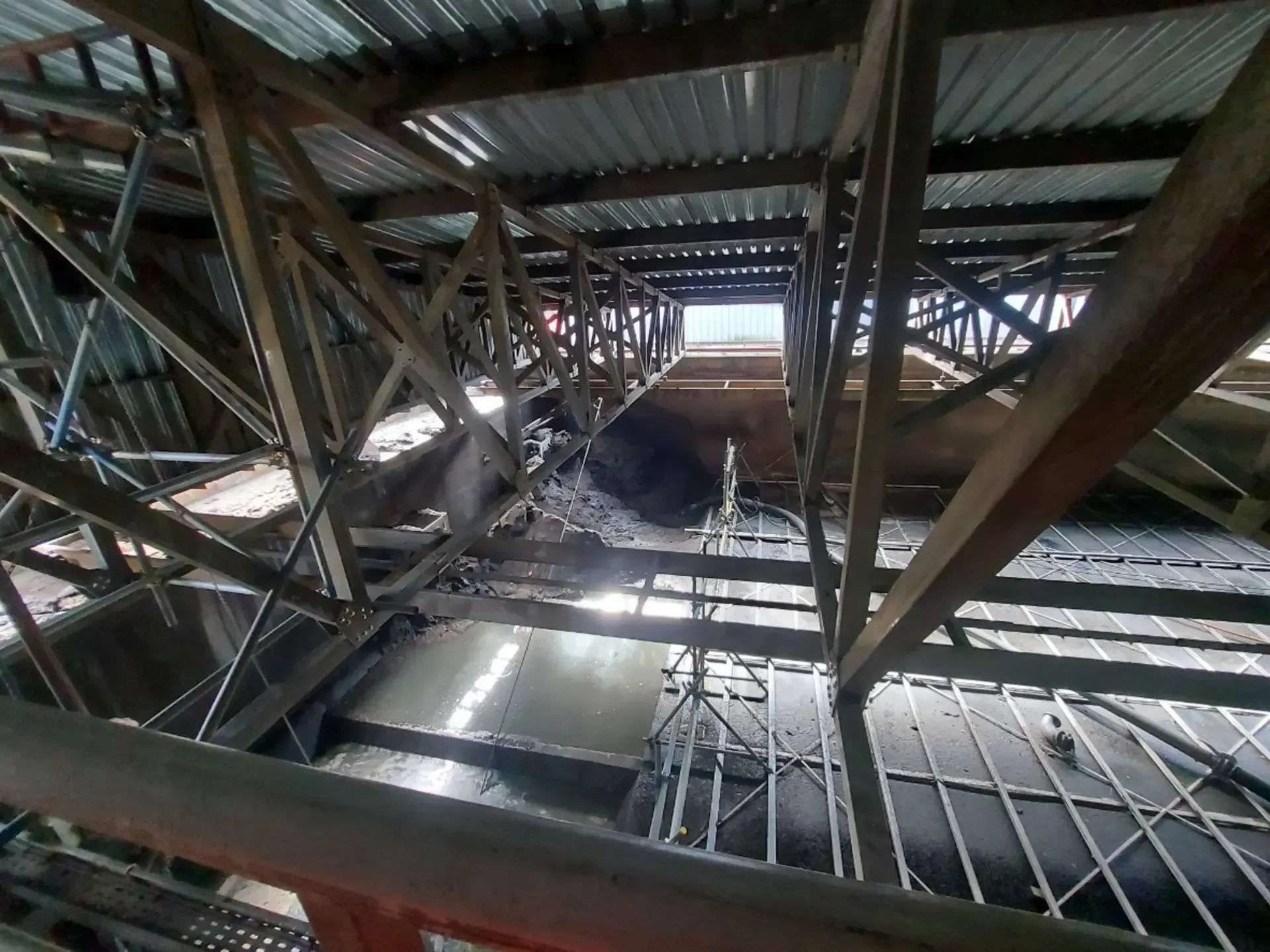
Where training simulates or prepares for work in confined spaces, the Confined Spaces Regulations 1997 and the Approved Code of Practice L101 are also relevant. L101 makes clear that emergency arrangements and rescue provisions must include suitable, properly maintained equipment and explicitly states that rescue equipment should be kept in efficient working order (L101, para 148).
L101 does not distinguish between training and operational environments; instead, it focuses on competence, preparedness and the reliability of equipment used to control foreseeable risks.
Training and assessment requirements are also reflected in the awarding body documentation. Some awarding organisations' Confined Spaces Qualification Handbooks require centres to ensure that training and assessment environments are safe and that equipment used is fit for purpose and compliant with current legislation. The handbook places responsibility on centres to maintain equipment in line with legal and manufacturer requirements. It does not permit the use of expired life-critical equipment for training or assessment.
Responsibility during training sits with those who control the activity. Under HSWA sections 2 and 3 and PUWER Regulation 3, duties apply not only to employers but also to those who have control of work equipment or the way it is used. In a training environment, instructors and training providers exercise that control. Allowing breathing apparatus that is out of date, uninspected, or outside manufacturer service intervals to be worn, pressurised or breathed from means allowing work equipment and pressure systems to be operated contrary to statutory duties. Instructor approval cannot override these duties, and there is no legal mechanism by which expired breathing apparatus can be lawfully authorised for training use.
Taken together, the legislative framework is consistent and explicit. Training is a work activity. Breathing apparatus is life-critical equipment. Where it is used during training, it is used at work, and the same legal standards for suitability, inspection, maintenance, and operation apply as in operational settings.
Recent Posts