Suitable - Sufficient - Immediate
When Regulation 5(3) Gets Lost: How L101 Can Blur Immediate Rescue Duties.
Regulation 5 of the Confined Spaces Regulations 1997 is frequently described as dealing with “emergency arrangements”, but that label risks understating its legal and operational weight. Regulation 5 is not guidance, nor is it a statement of good intent. It is a legal gateway to confined space entry.
No person may enter or carry out work in a confined space unless suitable and sufficient rescue arrangements have already been prepared. This duty applies to all confined space work, regardless of whether the emergency arises from a specified risk, and it exists before a permit is issued, before work begins, and before anyone enters the space.
In the Regulations themselves, Regulation 5 is clearly structured.
- Regulation 5(1) establishes the absolute requirement for rescue arrangements to be prepared in advance.
- Regulation 5(2) defines what “suitable and sufficient” means, requiring those arrangements to reduce risks to rescuers so far as is reasonably practicable and, where resuscitation is a likely consequence of a relevant specified risk, to include appropriate resuscitation equipment.
Regulation 5(3) then completes the duty by requiring that when circumstances arise to which the rescue arrangements relate, those arrangements, or the relevant parts of them, must immediately be put into operation. This final paragraph is not explanatory; it is operational. It is the point at which rescue moves from planning to action, and it is the clause that removes delay, deliberation, or reliance on others as a primary control.
The importance of Regulation 5(3) becomes even clearer when it is read alongside Regulation 7. Regulation 7 provides a statutory defence only in proceedings for a contravention of Regulation 5(3). It does not apply to failures in preparation or adequacy of arrangements; it applies solely to failures to implement those arrangements immediately.
The existence of a specific defence provision tells us something critical about legislative intent. Immediate implementation is expected to be the norm. The defence is narrow and evidentially demanding, requiring proof that the failure was due to the act or default of another person and that all reasonable precautions and due diligence were exercised.
If immediacy were merely implied or discretionary, there would be no need for Regulation 7 at all.
Against that backdrop, rescue teams and others need to be alert to how Regulation 5 is presented in L101, the Approved Code of Practice. L101 makes clear that italicised text reproduces the Regulations, and many instructors quite reasonably rely on this structure when teaching.
However, in L101, Regulation 5 is laid out as Regulation 5(1)(a) and (b), followed by Regulation 5(2). The wording corresponding to Regulation 5(3) in the statutory instrument appears in the ACOP. However, it is not always presented as a clearly distinct third paragraph, as the Regulations themselves are.
Read in isolation, this layout can reasonably lead learners to conclude that Regulation 5 consists of only two parts, rather than three.
This structural issue is compounded by the way L101 paragraph 146 (ACOP) is commonly read and taught. Paragraph 146 explains that suitable rescue arrangements will depend on the nature of the confined space, the risks identified, and the likely nature of an emergency rescue.
It correctly states that dutyholders should not rely on the public emergency services and that arrangements should consider both specified risks and other foreseeable incidents, such as incapacitation following a fall. It then lists the suitable and sufficient arrangements that should be in place, including rescue and resuscitation equipment, raising the alarm, safeguarding rescuers, fire safety, control of plant, first aid, public emergency services, and training.
The concern for instructors is not with the content of paragraph 146, which is broadly aligned with Regulation 5(1) and 5(2), but with what it can unintentionally reinforce when Regulation 5(3) is not taught clearly and separately.
Paragraph 146 focuses heavily on what arrangements should include. When combined with the L101 layout of Regulation 5, this can subtly steer learners towards viewing rescue as a checklist of provisions rather than a time-critical operational capability. The emphasis shifts towards equipment, procedures, and interfaces with emergency services, away from the legal requirement for immediate activation in the event of circumstances arising.
This matters because Regulation 5(3) is not about what is included in a rescue plan; rather, it concerns how that plan must function in practice. A rescue arrangement that depends on summoning assistance, waiting for decisions to be made, or mobilising resources that are not immediately available does not meet the legal test set by Regulation 5(3), regardless of how comprehensively it addresses the elements listed in paragraph 146. The inclusion of “public emergency services” in paragraph 146, when not firmly anchored to the immediacy requirement of Regulation 5(3), can further blur this distinction for learners, despite L101's clear warning elsewhere that reliance on those services alone is insufficient.
For instructors, this is not about criticising L101, which remains the primary ACOP and an essential reference document. It is about recognising how presentation and emphasis can shape understanding. Regulation 5 should always be taught as a three-part legal duty.
Paragraph 146 should be taught as supporting information that expands on suitability and sufficiency, not as a substitute for the immediacy requirement set out in Regulation 5(3).
Regulation 7 should then be used to demonstrate how seriously the law treats failures to act without delay.
Regulation 5 tells us what must be in place before entry. Regulation 5(3) tells us what must happen when things go wrong. Regulation 7 tells us how little tolerance there is for hesitation or failure. Paragraph 146 explains what good preparation looks like, but it does not dilute the requirement for immediate action.
Recognising and teaching these distinctions clearly is not pedantry; it is fundamental to competent confined space instruction and to preventing rescue arrangements from becoming paperwork rather than protection.
Example of where Regulation 7 cannot be used as a defence.
Consider a contractor who plans confined space entry into a chamber and identifies that a rescue team will be required should an emergency occur.
However, the rescue team decide to position themselves remotely, seated in a vehicle several minutes away from the entry point, monitoring the operation via radio communications only.
The confined space route includes several doors that a third party can lock. During the entry, the entrant collapses due to an atmospheric incident, and the alarm is raised immediately.
Despite this, the rescue team is delayed because they are not at the point of entry, must rely on second-hand information, and are unable to gain immediate access after one of the doors was inadvertently closed by another co-worker. The entrant is hospitalised due to the delay.
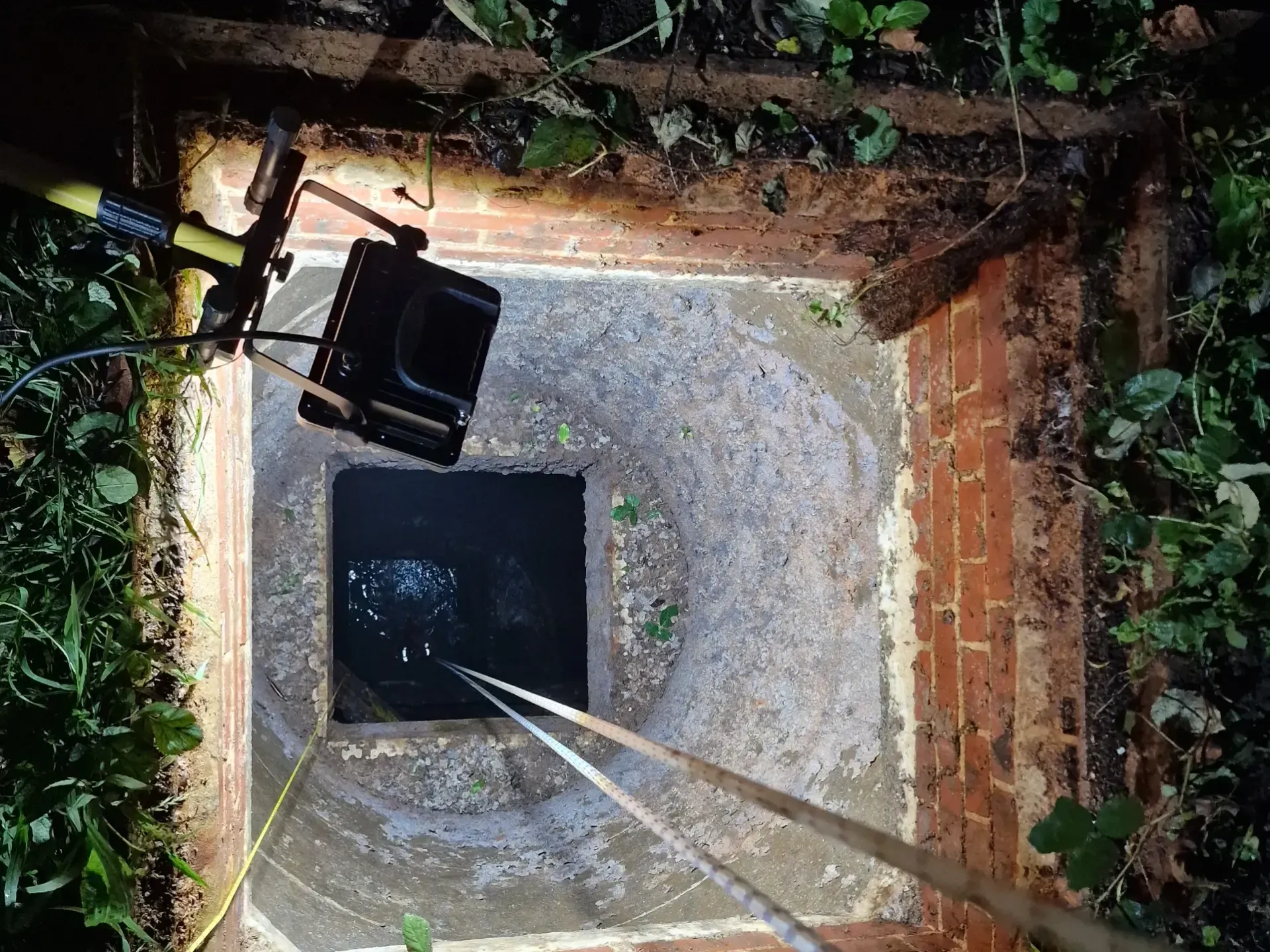
The locked door.
The duty holder attempts to rely on Regulation 7, arguing that the delay was caused by the act or omission of another person (The Co-Worker). This defence is likely to fail. Regulation 7 provides a statutory defence only in proceedings for a contravention of Regulation 5(3) where there has been a failure to implement rescue arrangements immediately, not where the arrangements themselves were unsuitable or incapable of immediate implementation.
In this scenario, the rescue arrangements were fundamentally flawed at the planning stage: the team was intentionally remote, known access barriers (the doors) were not controlled, and immediate intervention was impossible by design.
These are failures of preparation and adequacy under Regulation 5(3), not failures of execution. The existence of Regulation 7 reinforces that immediate implementation of rescue arrangements is the norm and that the defence is narrow and evidentially demanding.
Where delays arise from foreseeable and unmanaged constraints created by the duty holder, responsibility cannot be shifted to others, and Regulation 7 cannot be relied upon
Summary:
Regulation 5 of the Confined Spaces Regulations 1997 is a three-part legal duty that requires rescue arrangements to be prepared in advance, be suitable and sufficient, and be implemented immediately when an emergency arises, with Regulation 5(3) removing tolerance for delay or reliance on others.
Regulation 7 provides only a narrow defence for failures to implement those arrangements immediately and does not apply where the arrangements themselves were poorly designed or incapable of rapid action.
The way Regulation 5 is presented and taught through L101, particularly alongside ACOP paragraph 146 can unintentionally shift emphasis towards rescue as a checklist of provisions rather than a time-critical operational capability, risking the immediacy requirement being overlooked.
The (Real Life) example of a remotely positioned rescue team delayed by locked access demonstrates that foreseeable barriers and remote deployment are planning failures under Regulation 5(1)(2), not execution failures, and therefore Regulation 7 cannot be relied upon.
Clear instructions must treat Regulation 5 as a complete three-part duty, with immediacy
at its core, to ensure rescue arrangements function as protection rather than paperwork.
Recent Posts